

Researchers from the GRECS group at IRBLleida are launching a crowdfunding campaign to make rehabilitation more accessible to people with hereditary ataxia
The STARS project is developing a gamified home-based telerehabilitation platform to improve access to specialised neurological rehabilitation programmes
A group of researchers, including two researchers from the Research group of health care (GReCS) at the Lleida Biomedical Research Institute (IRBLleida), has launched a crowdfunding campaign aimed at creating a platform for home-based telerehabilitation for people with hereditary ataxia. The STARS project, the telerehabilitation platform, is an innovative initiative that has been selected from over 3,000 proposals submitted to the Santander X Explorer programme.
The project is led by researcher Maria Masbernat Almenara, a lecturer at the University of Lleida and researcher at IRBLleida, alongside a multidisciplinary team comprising experts in neurological physiotherapy and clinical research from the Hospital Clínico de Barcelona, Neurosalud Barcelona and the International University of Catalonia.
Hereditary ataxia is a group of rare diseases that causes a progressive loss of balance, coordination and independence in those affected. Specialised rehabilitation is one of the most effective tools for preserving functional abilities; for this reason, it is important to facilitate continuous access, despite geographical distance, mobility limitations or a lack of specialised resources.
'We want people with ataxia to have access to specific, accessible and ongoing rehabilitation, regardless of where they live. This platform has been developed in response to the needs expressed to us over the years by those affected and their families,' explains researcher Maria Masbernat.
To address this need, the research team has developed STARS, a telerehabilitation platform based on specific therapeutic exercises, using a gamified methodology designed to encourage adherence to treatment and enable users to perform the exercises from home under the remote supervision of specialist physiotherapists.
The initiative is the result of several years of research. Since 2020, the team has been working on the development and validation of a specific exercise programme for people with hereditary ataxia. This work has led to scientific publications and several funded projects that have demonstrated the viability and potential benefits of this type of home-based intervention.
The group's most recent findings suggest that home-based telerehabilitation may be a viable alternative for improving access to specialised rehabilitation programmes for people with hereditary ataxia, helping to maintain their functionality and quality of life.
'We are also thinking of families and carers, who live with the disease on a daily basis and who often bear a heavy physical and emotional burden. Our platform aims to provide an accessible tool that facilitates the continuity of treatment and promotes the independence of those affected,' added Helena Fernández, a researcher with the GRECS group and lecturer at the University of Lleida.
Through the crowdfunding campaign, the team is seeking financial support and looking to establish partnerships with patient associations, healthcare professionals, technology companies and organisations interested in contributing to the platform's development and future implementation.
The platform is primarily designed for people with hereditary ataxia, although in the future it could also benefit people with other neurological conditions who experience problems with balance, coordination or mobility.
About the STARS project
STARS is a gamified telerehabilitation platform based on specific therapeutic exercises for people with hereditary ataxia. The project combines guided videos, remote monitoring by specialist professionals and digital motivation tools to facilitate the continuity of rehabilitation treatments from home.
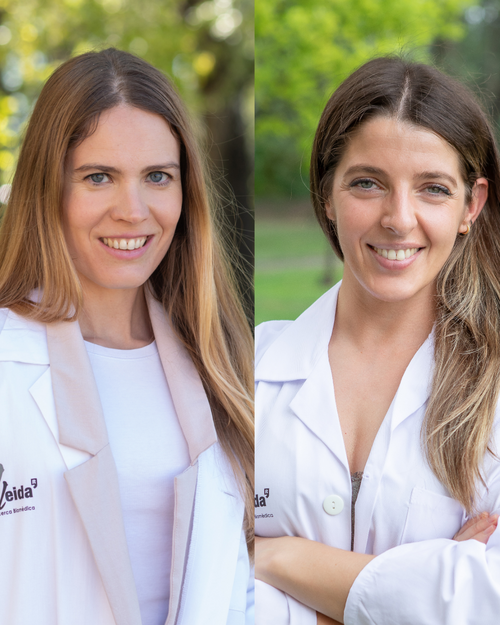
The researchers from IRBLleida who have taken part in the initiative

