

Biochemistry of Oxidative Stress
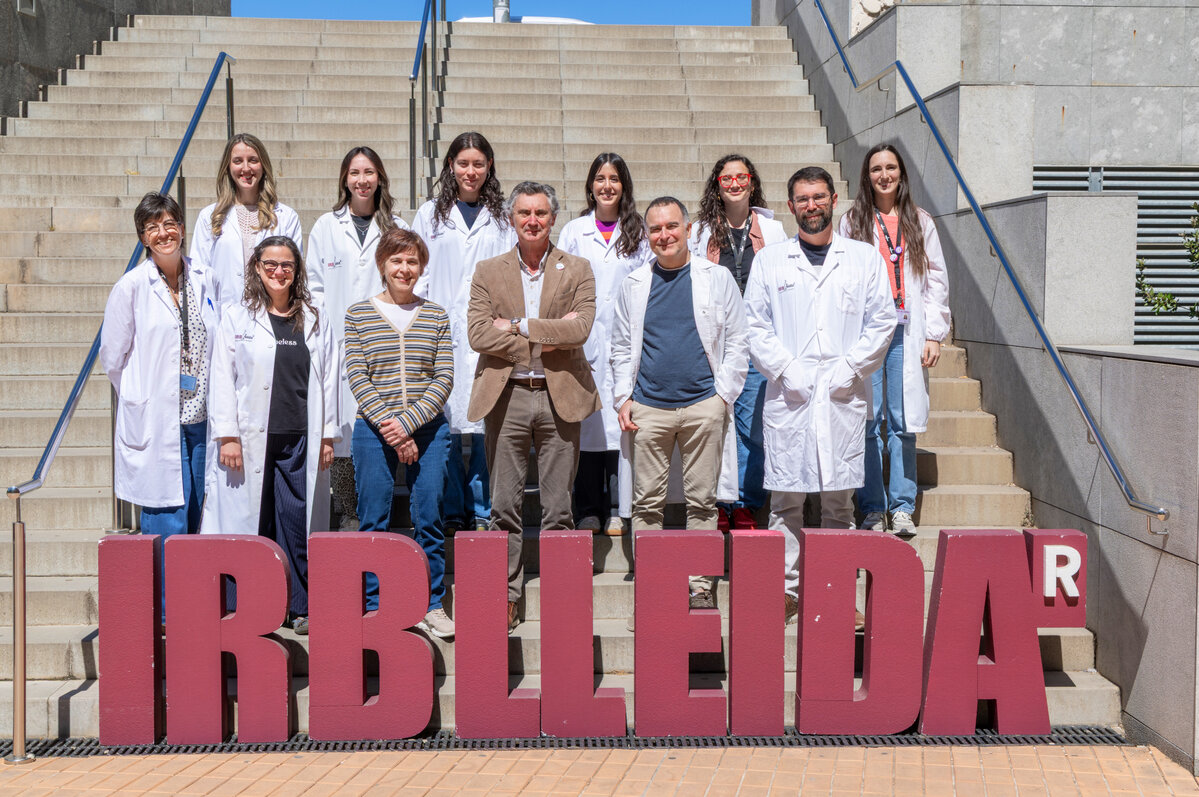
The Biochemistry of Oxidative Stress group analyzes the alteration of mitochondrial functions in Friedreich Ataxia (FA), a rare, cardio-neurodegenerative disease caused by deficient levels of frataxin, a mitochondrial protein. This deficit is due to mutations (mostly GAA triplet insertions) in the FXN gene. The most important features are, among others, ataxia, dysarthria and cardiac hypertrophy; some patients also develop diabetes.
To study this pathology, the group uses primary cultures of neurons -obtained from the dorsal root ganglion and cerebellum- as well as cardiomyocytes, which are the tissues most affected in this disease; fibroblasts cell lines derived from patients are also used to validate results obtained in primary cultures. We also use a mouse model (FXNI151F), with a point mutation that involves a 95% reduction in normal frataxin levels and that recapitulates functional alterations very close to those observed in FA patients.
At the molecular level, we have observed alterations in the mitochondrial proteome and transcriptome. Mitochondrial iron dyshomeostasis increases oxidative stress, alters the redox state of proteins and lipids, and drives ferroptosis. Alteration of calcium homeostasis and levels of mitochondrial calcium transporters and mitochondrial pore opening are also consequences of frataxin depletion. Moreover, the function of complexes I and II of the electron transport chain is decreased, impairing the rate of respiration and ATP synthesis. Based on the results obtained, we have analysed the therapeutic potential of certain compounds: honokiol, forskolin and calcitriol (a pilot clinical trial was carried out in collaboration with IDIBGI). All of them improve mitochondrial functions and restore cellular parameters altered by frataxin deficiency. In collaboration with the company Minoryx Therapeutics we also tested leriglitazone, a PPAR-agonist, obtaining encouraging results. Finally, in collaboration with Dr. Sanchez (CSIC-Granada) and Dr. Magrané (Cornell University-USA) we have set up a therapeutic strategy based on protein replacement therapy using peptides able to cross the blood brain barrier covalently linked to frataxin.
Featured publications
Alsina, D; Ros, J; Tamarit, J
Nitric oxide prevents Aft1 activation and metabolic remodeling in frataxin-deficient yeast
Redox Biology 14 131-141. .
Purroy, R; Britti, E; Delaspre, F; Tamarit, J; Ros, J
Mitochondrial pore opening and loss of Ca2+ exchanger NCLX levels occur after frataxin depletion
BIOCHIMICA ET BIOPHYSICA ACTA-MOLECULAR BASIS OF DISEASE 1864 618-631. .
Responsable/s de grup

Joaquim Ros Salvador
Biomedicine I / Biomedicina I
4th floor / 4a planta

