


A researcher at IRBLleida is leading a project aimed at advancing the development of a non-invasive diagnosis for one of the most common glomerular diseases, immunoglobulin A nephropathy
The grant will enable research into the potential of extracellular vesicles to develop new non-invasive diagnostic tools for this kidney disease
Researcher Milica Bozic, from the Vascular and Renal Translational Research Group at the Lleida Biomedical Research Institute (IRBLleida), has been awarded a 2026 Nephrology Research Grant from the Spanish Society of Nephrology (SEN), worth €24,000, to lead a project investigating the potential of extracellular vesicles as biomarkers for immunoglobulin A (IgA) nephropathy. The awarded project is entitled Integrated Analysis of Serum and Urinary Extracellular Vesicles for the Noninvasive Diagnosis of Primary IgA Nephropathy.
IgA nephropathy is the most common primary glomerular disease worldwide and a major cause of chronic kidney disease and kidney failure. Currently, the diagnosis can only be confirmed by a renal biopsy, an invasive procedure involving the removal of a small sample of kidney tissue for analysis. For this reason, the scientific community is working to identify new biomarkers in blood and urine that will enable the disease to be diagnosed and monitored in a simpler and less invasive way.
According to the project's principal investigator, Milica Bozic, "preliminary results suggest that patients with IgA nephropathy may have a different profile of circulating extracellular vesicles to that of healthy individuals". Therefore, "the identification of specific markers could contribute to a simpler and less invasive diagnosis of the disease".
Extracellular vesicles are small particles naturally released by cells and present in various biological fluids. They carry proteins, lipids and genetic material that reflect the physiological and pathological state of the tissues from which they originate, making them a promising source of biomarkers. In the case of IgA nephropathy, studying these vesicles could provide information both on the immunological abnormalities associated with the disease and on the renal damage it causes.
Text: IRBLleida Communications and Press Office
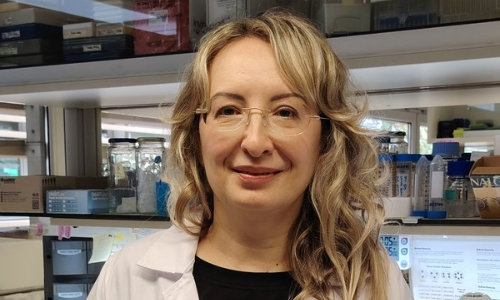
Milica Bozic, a researcher at the Translational Vascular and Renal Research Group.

