


A new experimental model using CRISPR/Cas9 reveals key mechanisms of high-risk endometrial cancer
Research led from Lleida offers an innovative platform to study tumour biology and explore new therapeutic approaches
A study led from Lleida has developed an experimental model based on CRISPR/Cas9 to simultaneously edit several tumour suppressor genes and generate cells that reproduce molecular and morphological characteristics associated with high-risk endometrial cancer. This approach allows for a better understanding of how the loss of function of these genes contributes to tumour progression and opens new avenues for the identification of therapeutic targets. The research has been published in the journal Cancer Communications.
Endometrial cancer is an aggressive form of gynaecological cancer with an often poor prognosis, especially in advanced stages. Understanding the genetic and molecular basis that regulates the initiation and progression of these tumours is essential for the development of more effective and personalised therapies. The use of multiplexed CRISPR/Cas9 techniques allows multiple genes to be manipulated simultaneously, thereby replicating the genomic heterogeneity of high-risk tumours.
'This experimental model establishes a basis for exploring how the combination of multiple genetic alterations promotes phenotypes associated with tumour aggressiveness and resistance to treatment,' explained Xavier Dolcet, head of the Oncogenic Signalling and Development group and a full professor at the University of Lleida.
The study, which has involved the collaboration of researchers from Columbia University Irving Medical Center in New York, the Institute for Biomedical Research of Bellvitge (IDIBELL) and the Cáncer Biomedical Research Network (Centro de Investigación Biomédica en Red Cáncer), shows that simultaneously modifying several key genes involved in cancer allows for the creation of cell models that behave in a manner very similar to the most aggressive endometrial tumours seen in patients. This means that the model better reproduces what actually happens inside the human tumour. The research was carried out using mice.
According to the authors, these results indicate that this system could be a very valuable tool for understanding how cancer develops and for testing new treatments under conditions that more closely resemble the clinical reality.
The project has been funded by the Lleida Biomedical Research Institute, the Ministry of Science, Innovation and Universities, the Carlos III Health Institute, the European Regional Development Fund 'a way to make Europe, the Cáncer Biomedical Research Network Centre and the Agency for the Management of University and Research Grants.
Article: Maria Vidal-Sabanés, Raúl Navaridas, Núria Bonifaci, Ada Gay-Rua, Damià Ortega-Peinado, Joaquim Egea, Mario Encinas, Xavier Matias-Guiu, David Llobet-Navas, Xavier Dolcet. Multiplexed CRISPR/Cas9 Editing of Tumor Suppressor Genes in the Mouse Endometrium Recapitulates High-Risk Endometrial Carcinoma. Cancer Commun. 2026;46:0010.DOI:10.34133/cancomm.0010
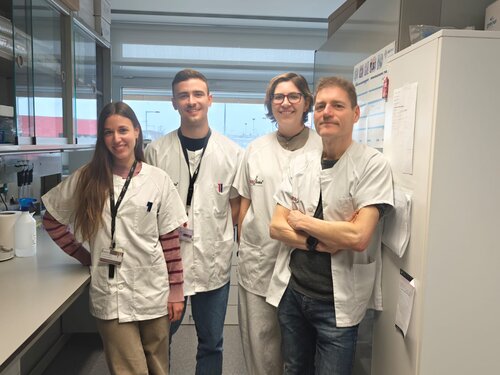
According to the authors, these results indicate that this system could be a very valuable tool for understanding how cancer develops and for testing new treatments in conditions that more closely resemble the clinical reality

