

A retrospective study in Catalonia shows an increase in the diagnosis of gestational diabetes during Ramadan
Research suggests reviewing the timing of the test and interpreting the result with caution to avoid false-positive diagnoses and optimise clinical care
A retrospective study of more than 70,000 women in Catalonia shows an increase in the diagnosis of gestational diabetes in women who observe Ramadan, according to research led from Lleida by researchers from the Lleida Biomedical Research Institute (IRBLleida) and the Arnau de Vilanova University Hospital (HUAV). This study, published in the journal BMC Medicine, analyses primary care health data collected in Catalonia from 2010 to 2019 in the SIDIAP (Information System for Primary Care Research) system. These data provide information to understand whether practices associated with Ramadan - such as prolonged fasting - could influence the recording and outcome of diagnostic tests for gestational diabetes.
The research has identified an increase in the frequency of gestational diabetes diagnosis in women from Muslim-majority countries during the Ramadan period compared with other times of the year. Specifically, women from Muslim-majority countries had a substantially higher rate of gestational diabetes diagnosis during Ramadan (12.8%) compared to the non-Ramadan period (8.84%). In contrast, no significant differences were observed between periods for women in the control (non-Muslim) group.
"The results suggest that the timing of gestational diabetes diagnosis in pregnant women observing Ramadan may require specific consideration to avoid false-positive diagnoses and optimise clinical care. It is recommended that healthcare teams take into account the cultural context and fasting patterns when scheduling diagnostic tests," stated the IRBLleida researcher, Professor at the University of Lleida and Head of the Endocrinology and Nutrition department at HUAV, Marta Hernández.
Gestational diabetes is a complication of pregnancy with significant implications for maternal and fetal health, and its early detection is key to appropriate clinical management. Although fasting during Ramadan is a widespread cultural and religious practice, this study indicates that the timing of diagnostic tests-especially during prolonged periods of fasting-could influence the measurement of glucose levels and, therefore, the diagnosis of gestational diabetes.
The study's authors caution that these results do not necessarily imply a real increase in gestational diabetes during Ramadan, but could reflect an overdiagnosis effect related to temporary physiological changes or the timing of the test.
The research was carried out in collaboration with researchers from the CIBER of Diabetes and Associated Metabolic Diseases, the Jordi Gol i Gurina Foundation for the University Institute for Primary Health Care Research (IDIAPJGol), the Hospital de la Santa Creu i Sant Pau, the Barcelona City Primary Care Area management, the Sant Pau Research Institute, the Sant Joan de Déu Research Foundation, the Germans Trias i Pujol Hospital, the Germans Trias i Pujol Research Institute, and the University of Vic - Central University of Catalonia.
Article: Carrasco, M., Vlacho, B., Franch-Nadal, J. et al. Overdiagnosis of gestational diabetes mellitus during Ramadan: a retrospective population-based study in Catalonia, Spain. BMC Med (2026). https://doi.org/10.1186/s12916-026-04638-w
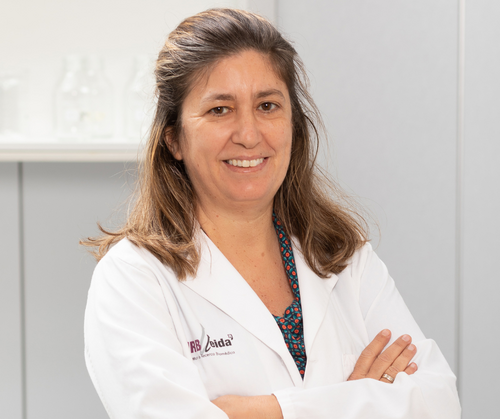
The researcher Marta Hernández

