


Extreme temperatures increase activity in hospital emergency departments
Episodes of intense heat and cold lead to a significant increase in A&E attendances, with an impact on public health and healthcare provision
Extreme temperatures-both high and extremely low-are having a growing impact on the demand for urgent care in hospitals in Catalonia, according to the multicentre study published in the journal Revista Emergencias, entitled "Impact of extreme temperatures on attendances at hospital emergency departments (2020-2025)". This scientific paper, coordinated by Catalan researchers and based on data from 8 public hospital centres in Catalonia, analyses the evolution of A&E consultation patterns in relation to episodes of extreme temperatures recorded between 2020 and 2025.
The results indicate that heatwaves - which are increasingly frequent and intense - and periods of intense cold are associated with a significant increase in visits to Accident & Emergency departments. This increase is mainly due to the exacerbation of cardiovascular and respiratory conditions, metabolic disorders, and other medical complications that are triggered or worsened by heat stress.
The study, led by Oriol Yuguero, the territorial clinical director of A&E, professor at the University of Lleida and head of the ERLab research group in emergency and urgent care, highlights that the workload is not uniform but tends to increase markedly during seasonal periods with temperatures outside the climatological norm. These situations generate a greater workload for emergency teams and can compromise the hospital's response if planning and care adaptation measures are not put in place.
Furthermore, the research team stresses that the vulnerability of certain groups - such as the elderly, people with chronic illnesses, or those with fewer resources to access adequate climate control - contributes significantly to the frequency and severity of consultations resulting from extreme temperatures. The study's authors point out that these results are consistent with other international evidence documenting the impact of heatwaves on A&E activity and public health in general.
'These data underline the need to strengthen epidemiological surveillance systems and to integrate environmental health criteria into hospital and community planning,' Yuguero stated. The hospitals participating in the study were Hospital Universitari Arnau de Vilanova in Lleida; Hospital Universitari Joan XXIII in Tarragona; Hospital Universitari Verge de la Cinta in Tortosa; Hospital Universitari Josep Trueta in Girona; Hospital Universitari de Viladecans; Hospital Universitari de Bellvitge; Hospital Universitari Germans Trias i Pujol in Badalona; and Hospital Universitari Vall d'Hebron in Barcelona.
Article: Yuguero Torres O, Llobet Pina C, Arranz Betegon M, Boqué Oliva C, Gispert Ametller A, Malchair P, et al. Impact of extreme temperatures on attendances at hospital emergency departments: a multicentre study in Catalonia (2020-2025). Emergencias. 2026;38:5-12
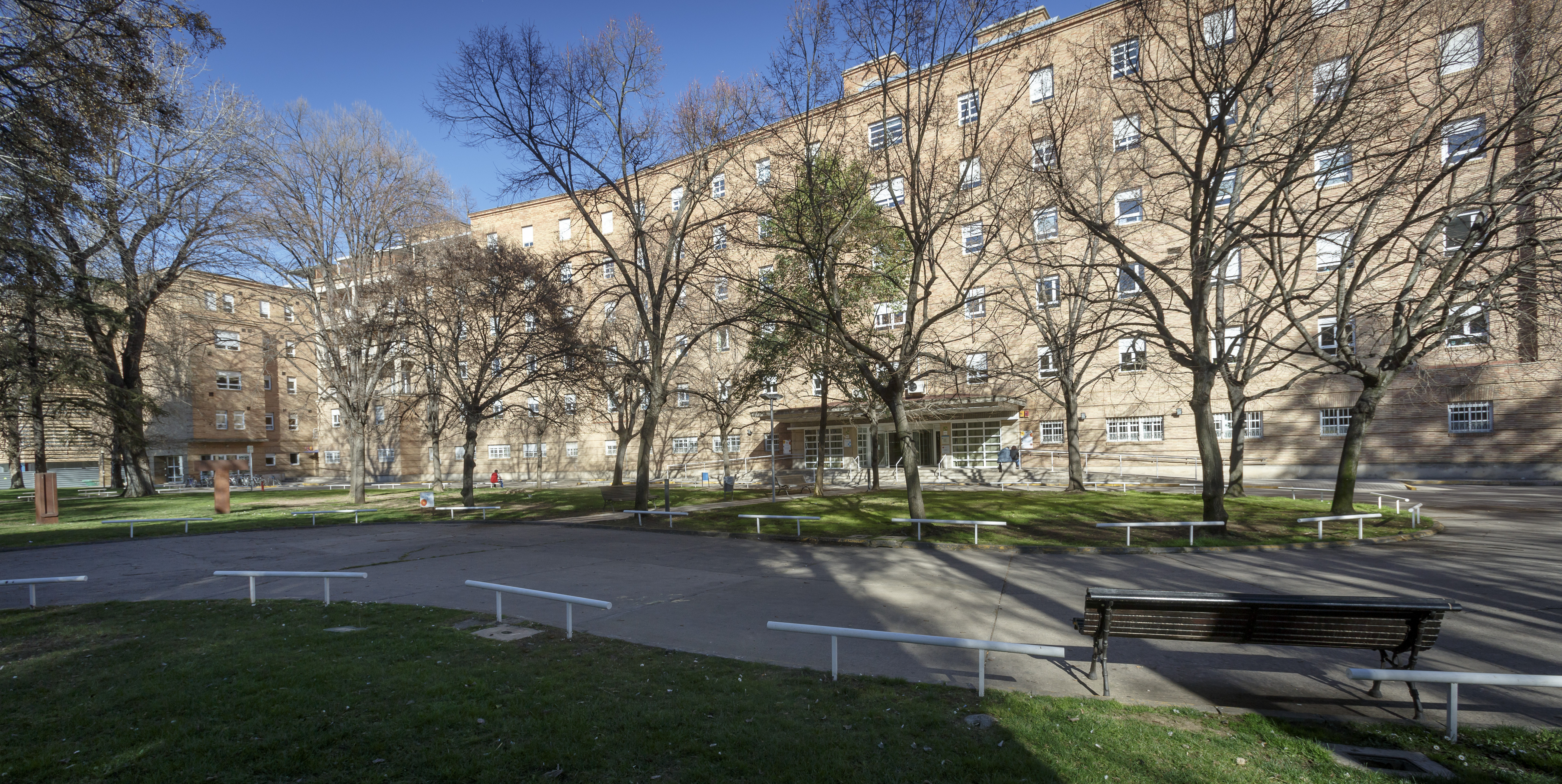
A study led from Lleida has analysed emergency department attendances from 2020 to 2025 in 8 public hospitals in Catalonia, such as the HUAV

